What You Need to Know Before You go to India
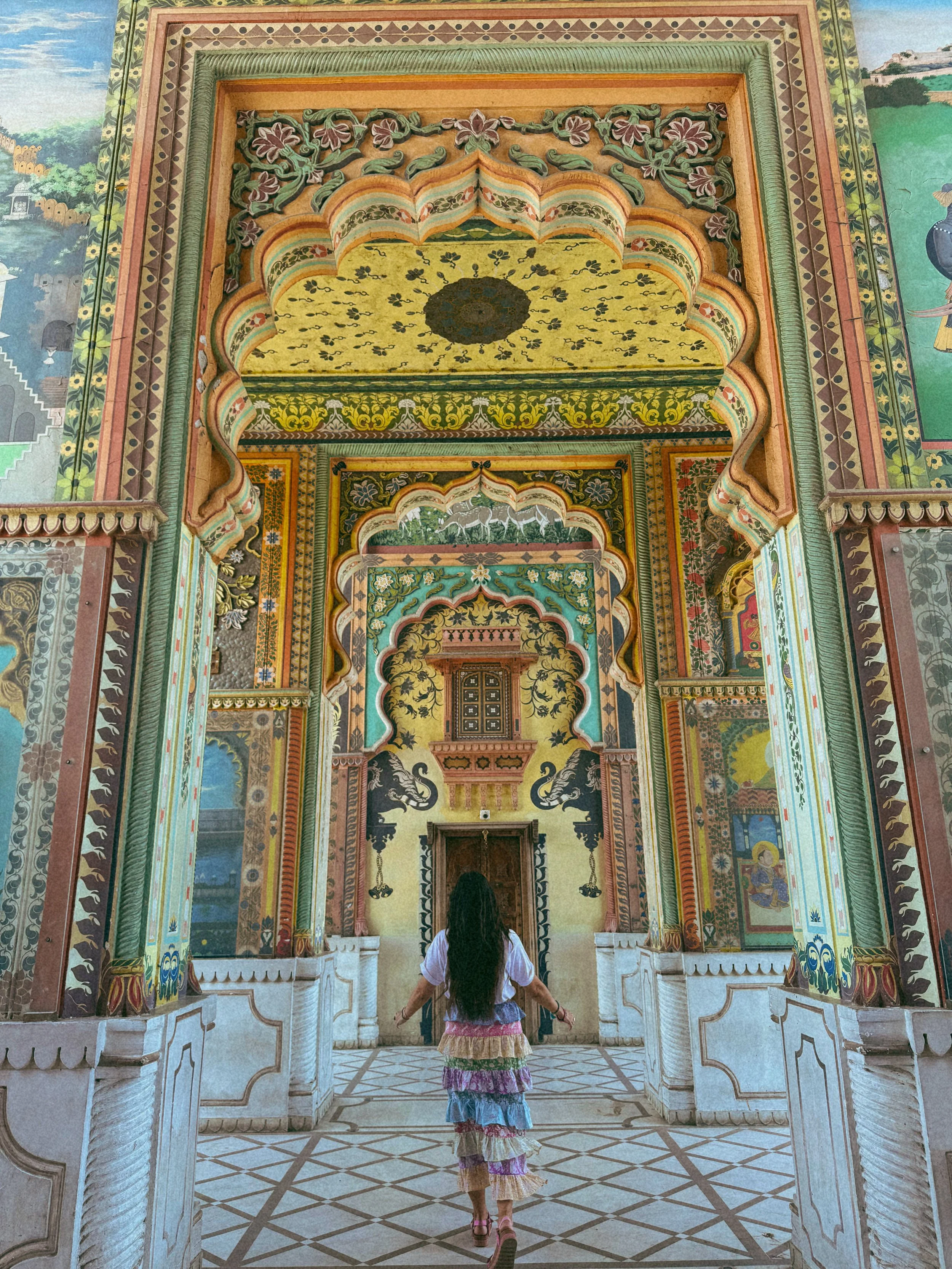
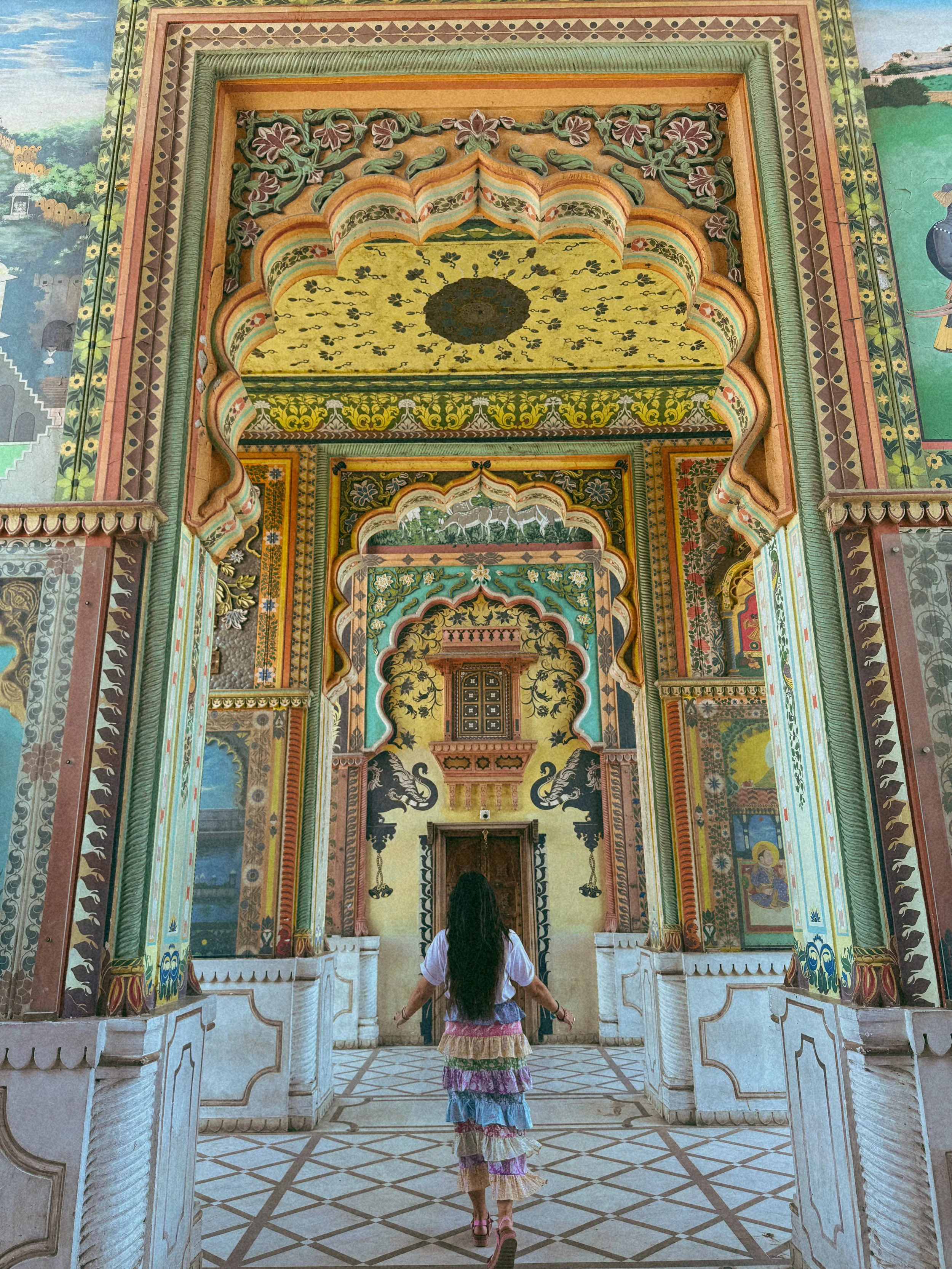
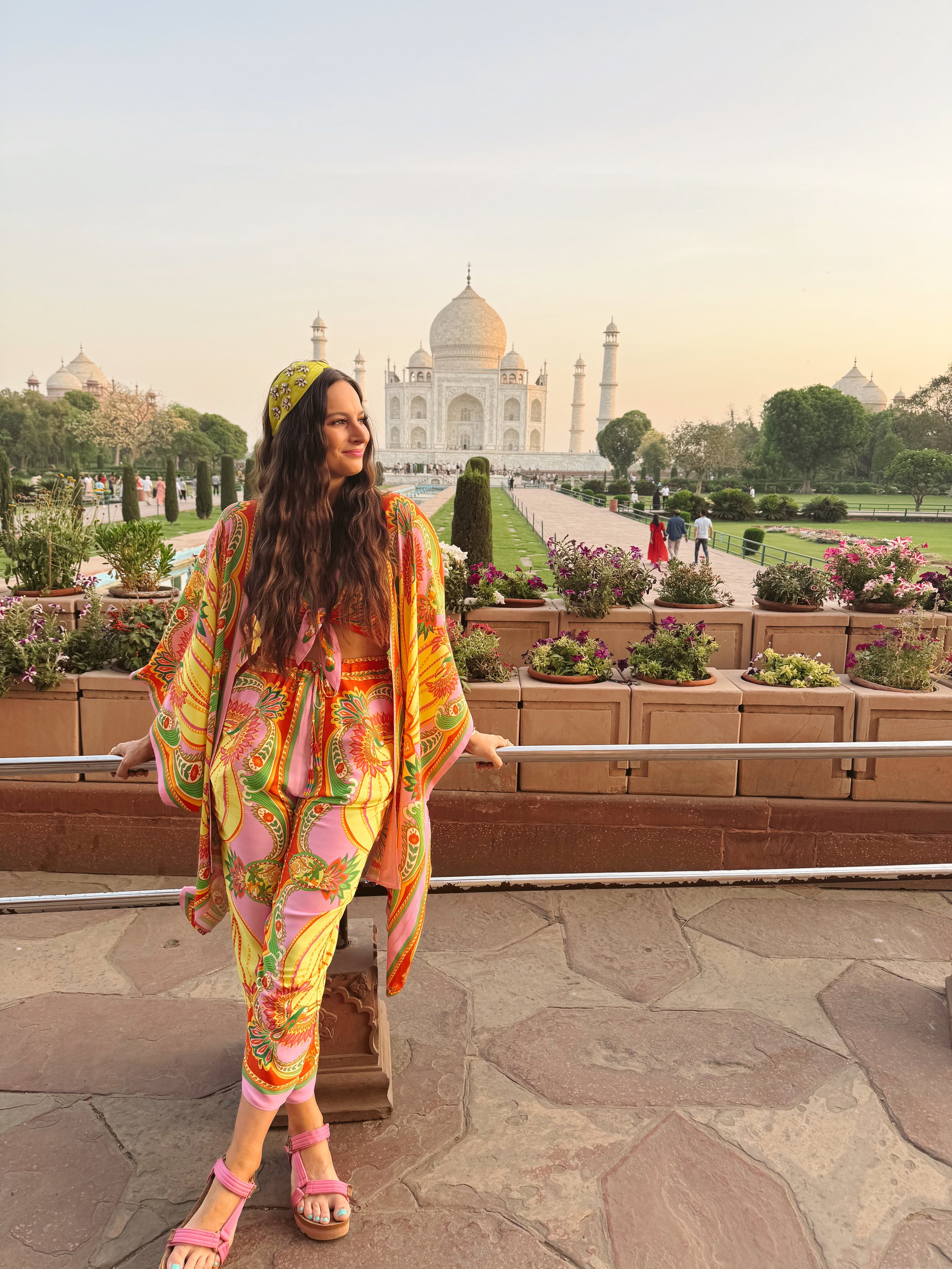
India is bold, layered, and deeply transformative for travelers willing to embrace the adventure.
Whether you’re preparing for an upcoming trip to India or just beginning to explore the idea, this is one destination where context truly matters. India is layered, vibrant, deeply cultural, and unlike anywhere else in the world and arriving with the right expectations will shape your entire experience.
At the time of writing this, India easily sits in my top three favorite places to travel. I’ve now been six times, my mom has been nine, and it continues to be one of the most meaningful destinations we return to again and again. It’s also, without question, one of our most bespoke, luxurious, and life-changing Galavants, the kind of trip that stays with you long after you return home.
That said, India isn’t for everyone and that’s okay. It’s a destination best suited for travelers with an open mind, an open heart, and a genuine sense of curiosity. If you’re someone who can embrace the unexpected, go with the flow, and see beauty in contrast, India will absolutely change you.
If you’re Galavanting with us, consider this a thoughtful preview of what’s ahead. And if you’ve landed here while searching for “what to know before traveling to India,” welcome, you’re in exactly the right place. Whether you’re dreaming, planning, or already booked, we specialize in creating bespoke, high-touch travel experiences in India, both through our small-group Galavants and our private travel planning services for travelers who prefer a more personalized approach.
Below are a few foundational things to understand before your journey begins.
🧳 Packing Tips for Women going to India
DRESS WITH RESPECT
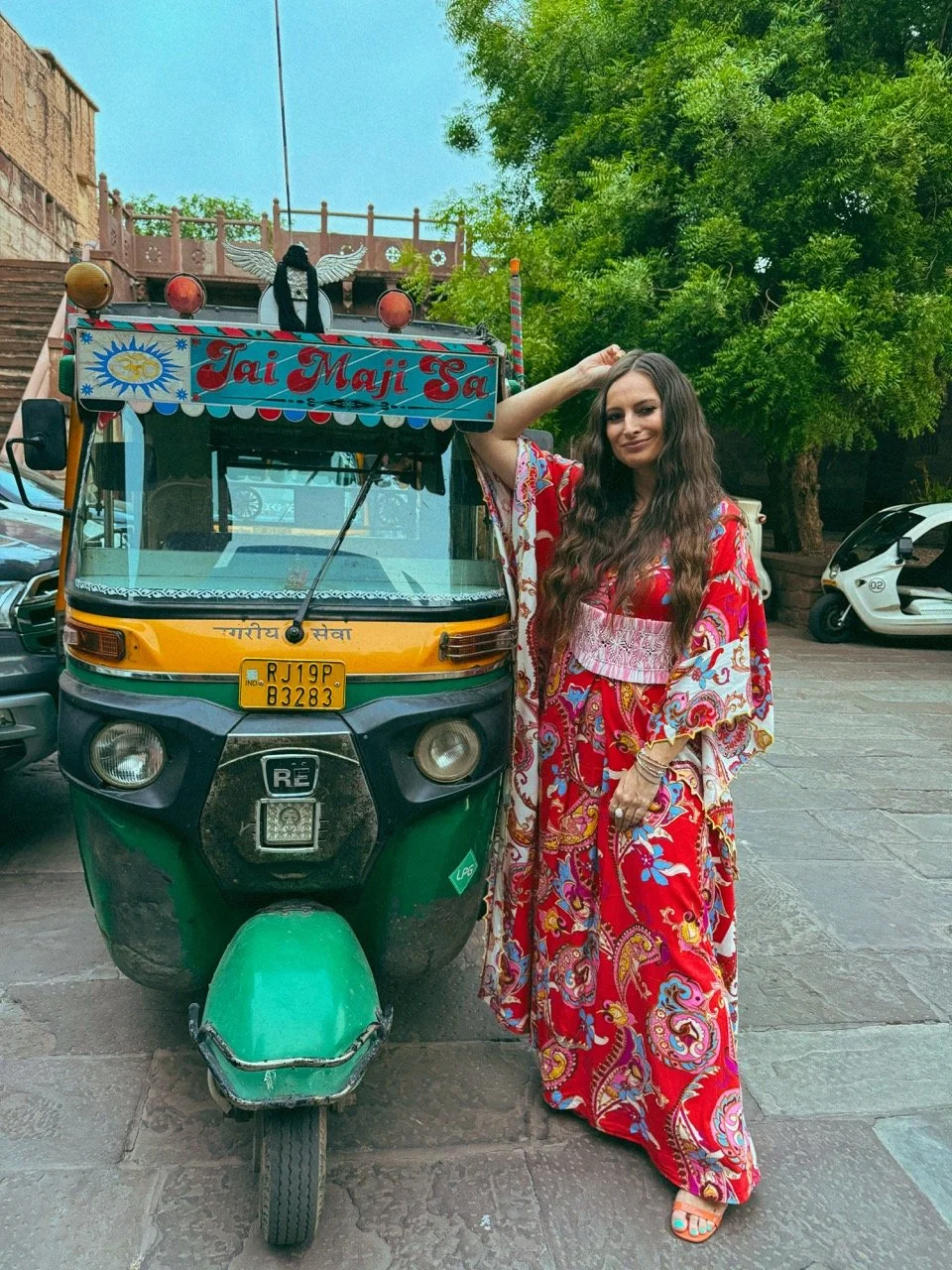
One of the most common questions travelers ask before visiting India is: “What should I wear?” The answer, as always, depends on where you’re going, when you’re visiting, and how you want to experience the country.
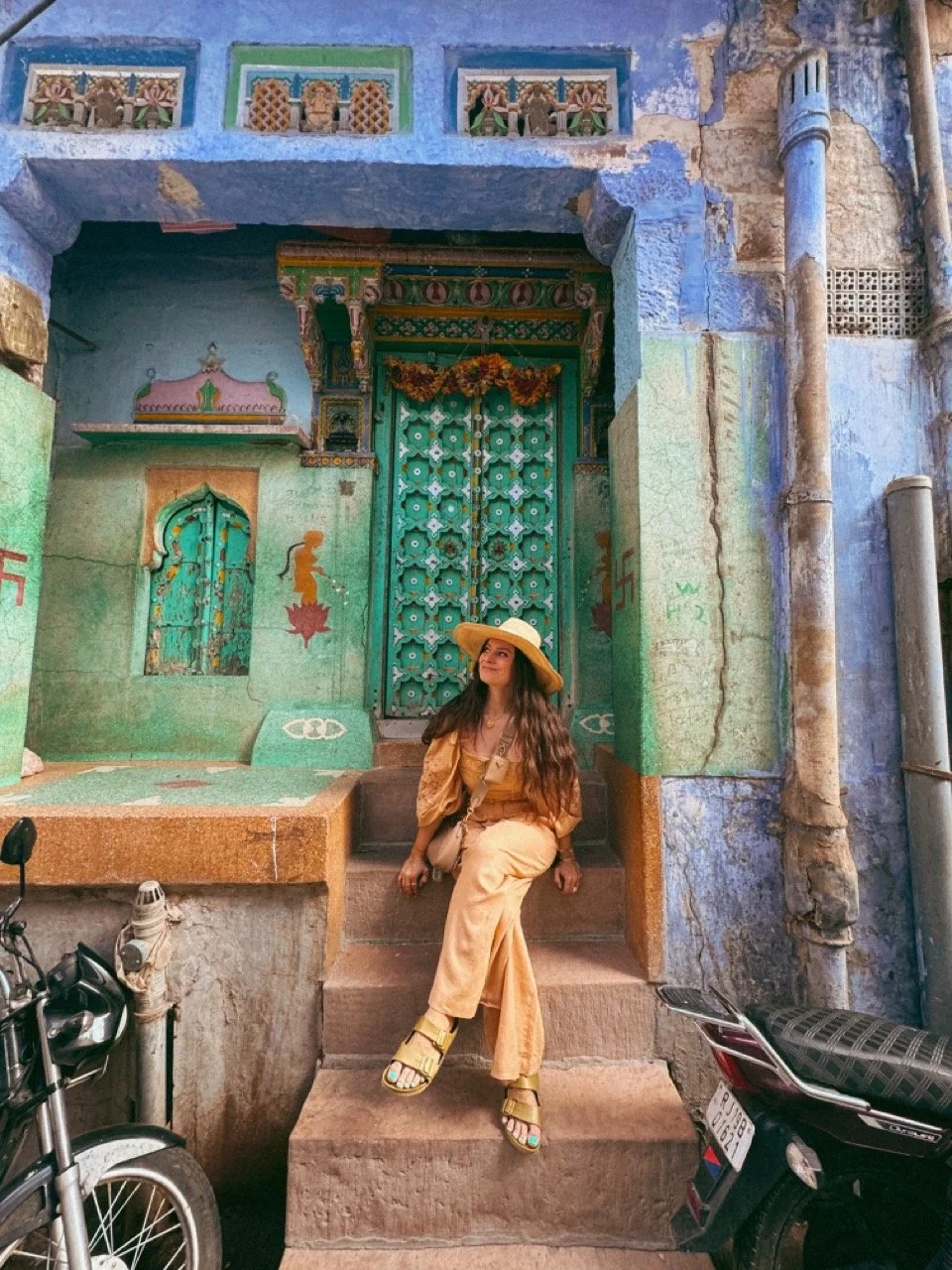
India doesn’t have a strict dress code, especially in major cities like Delhi and Jaipur, where you’ll see locals wearing everything from Western clothing to traditional dress. That said, India is generally more conservative, particularly at temples, religious sites, and in smaller towns, and dressing thoughtfully goes a long way in how comfortable you’ll feel while exploring.
As a general rule of thumb:
Keep shoulders and knees covered when possible
Avoid plunging necklines or super short hemlines
Opt for loose, breathable silhouettes over anything tight or restrictive
The good news? It’s incredibly easy to dress comfortably, respectfully, and beautifully in India, especially if you lean into flowy fabrics and versatile pieces.
Think:
Scarves and wraps will quickly become your best friend, perfect for temple visits, sun protection, chilly evenings, and blasting A/C.
And don’t forget a swimsuit. India has some truly spectacular hotels and pools, and most are private enough that you can wear whatever makes you feel most comfortable.
If you want a deeper dive, including outfit inspiration and exact packing lists, I’ve put together a full guide here: 👉 [What to Pack for a Trip to India: Outfit Inspiration & Packing Guide]
DON’T FORGET THESE ESSENTIALS:
A sunhat // Sun protection is key in India, especially during long sightseeing days. Opt for something lightweight and packable so it doesn’t trap heat.
A light scarf or wrap (or two) // This will quickly become your MVP. Perfect for covering shoulders at temples, shielding yourself from the sun, staying warm in air-conditioned spaces, and layering in the evenings.
A carry-all day bag // You’ll want something that fits water, sunscreen, hand sanitizer, and your essentials while still feeling secure and easy to carry during full touring days.
Sunglasses // A must for bright afternoons and open-air exploring.
Comfortable walking sandals // Supportive, broken-in shoes are essential. You’ll be walking a lot, often on uneven ground, so choose something you know you can wear all day without thinking twice.
WHAT TYPE OF PLUG DO I NEED IN INDIA?
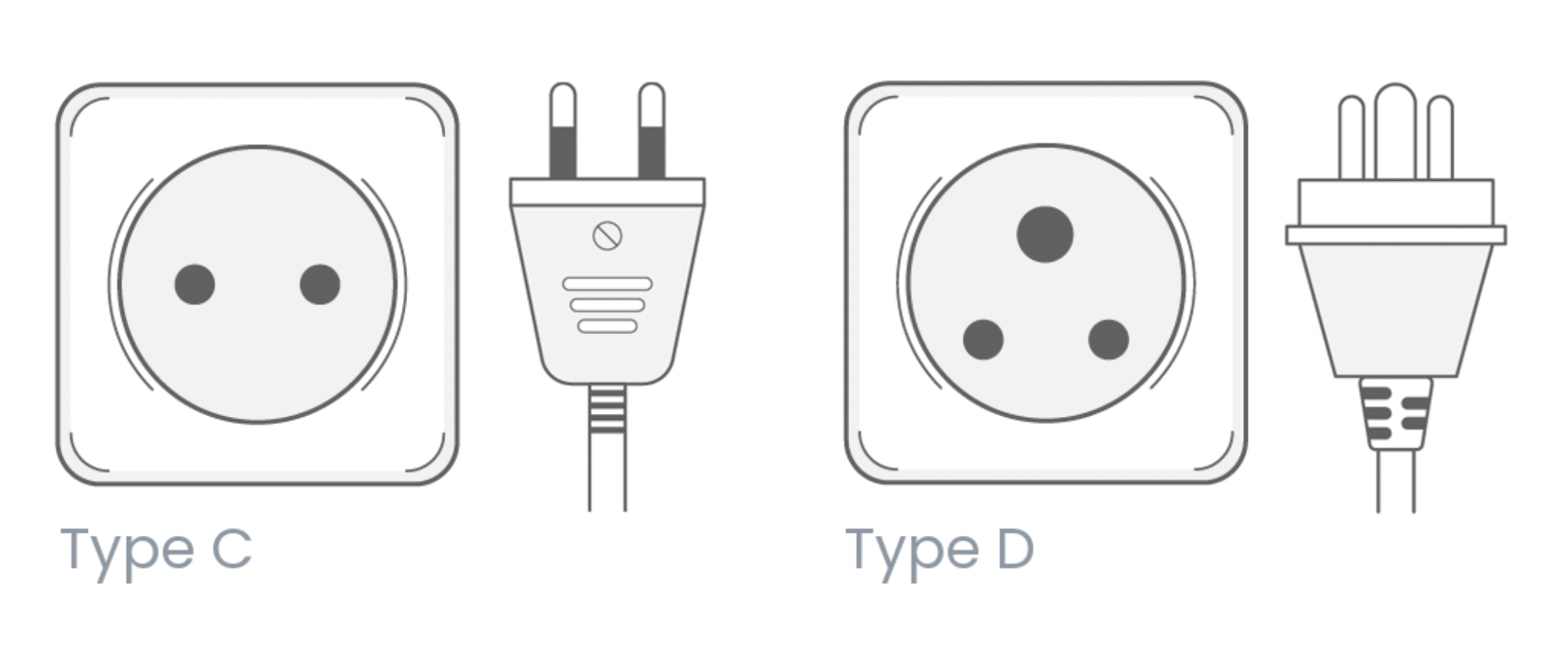
India uses plug types C and D and operates on a 230V supply voltage.
If you’re traveling from the U.S., you’ll want:
An international travel adapter
Ideally, one that also functions as a voltage converter
Look for an adapter that allows you to charge multiple devices at once - phone, laptop, camera, Apple Watch, etc. It will make your life much easier.
💸 What’s the Money Situation in India?
HAVE CASH ON HAND (EVEN IF YOU PREFER CARDS)
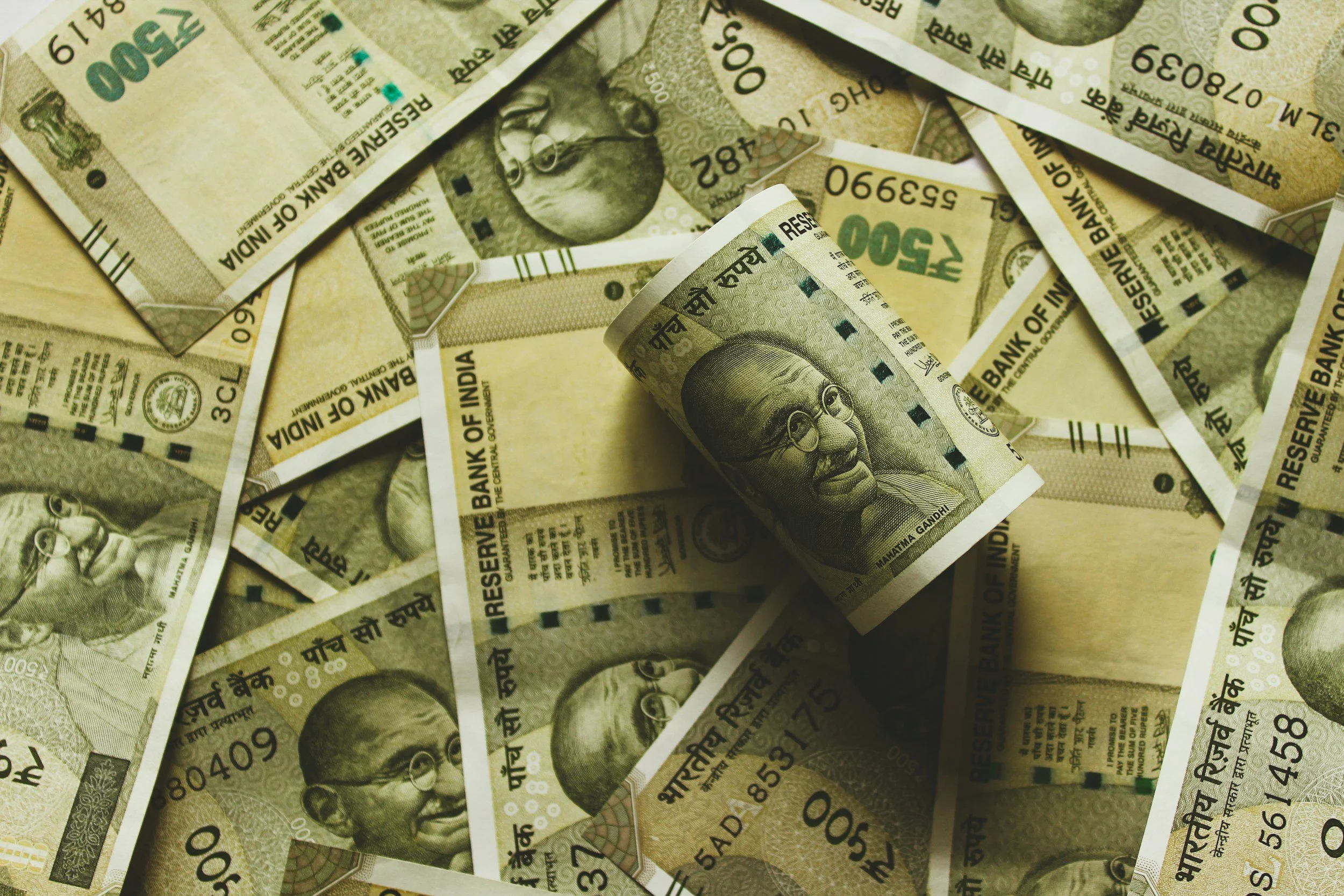
India’s currency is the Indian Rupee (INR), and while credit cards are widely accepted at hotels, upscale restaurants, and boutiques, cash is still essential for day-to-day moments.
You’ll want rupees for:
Markets and small shops
Tipping (although USD is also accepted)
Street snacks, chai stops, and quick purchases
ATMs are readily available in airports and major cities, and withdrawing cash once you arrive is typically the easiest way to get a good exchange rate. Make sure you’ve called your bank in advance to let them know you are traveling to India so you won't have any issues withdrawing money from local ATMs.
A quick rule of thumb:
₹100 ≈ $1.20 USD (rates fluctuate, but this gets you in the ballpark)
Smaller bills are always appreciated, so break large notes when you can.
ATMS & CARDS: WHAT TO KNOW
ATMs are easy to find in cities like Delhi and Jaipur, but they can be less reliable in more rural areas, so don’t wait until you’re completely out of cash.
Before you leave:
Call your credit and debit card companies
Let them know you’ll be traveling to India
Ask about foreign transaction fees
Pro tip: Travel credit cards are your best friend here to avoid foreign transaction fees. I personally use the Chase Sapphire Reserve Credit Card & the United Quest Credit Card.
BE PREPARED TO HAGGLE BUT DON’T OVERDUE IT
Haggling is part of shopping culture in India, especially in markets and small stalls, but it’s best approached with good humor and perspective.
Vendors will often start higher than expected, and you’re welcome to counter politely. That said, remember that many items are handmade, and a few extra dollars may mean far more locally than it does to you.
If the price doesn’t feel right, a friendly smile and walking away is always okay.
UNDERSTAND THE TIPPING CULTURE
Tipping in India, often referred to as baksheesh, is customary, but amounts can vary depending on the service. The most important thing to know? Tips are given in cash, and USD is widely accepted, which many travelers find easier than carrying large amounts of rupees.
Clean, small bills ($1, $5, $10) are ideal.
Here’s a general guideline to help you feel confident:
Driver – $10 USD per person, per day
Tour Guide – $25 USD per person, per day
Driver’s Helper / Coach Assistant – $2 USD per person, per day
Hotel Housekeeping – $2 USD per person, per day
Bell Desk / Porters – $2 USD per bag
Restaurants:
8–10% of the bill is customary
Many restaurants already include a 10% service charge, which will be clearly listed on the bill. If so, additional tipping is optional and at your discretion
As always, tips are a way to show appreciation for good service, and amounts can be adjusted based on your experience.
🚩 Do you need to hire a Guide in India?
SHORT ANSWER: YES, AND IT MAKES ALL THE DIFFERENCE
Every time I’ve visited India, I’ve traveled with a guide, and I honestly can’t imagine experiencing the country any other way. India is layered, complex, and incredibly rich in history and culture, and having a knowledgeable local guide alongside you completely transforms how you move through it.
A great guide does so much more than get you from point A to point B. They provide cultural context, help navigate language barriers, manage logistics in real time, and offer insights you simply wouldn’t have access to on your own. Instead of feeling overwhelming, India feels approachable, intentional, and deeply meaningful.
This is also where working with a travel advisor comes in. India involves a lot of moving parts: internal flights, long drives, hotel selection, timing around crowds and heat, and knowing which experiences are worth prioritizing. Having someone design and manage those logistics for you ensures the trip flows seamlessly from one destination to the next.
Whether that looks like joining one of our small-group Galavants or planning a custom private journey, having expert support on the ground (and behind the scenes) is one of the best investments you can make when traveling to India.
⚠️ Some Things to be Aware of during your visit to India
EARLY MORNINGS ARE THE NORM
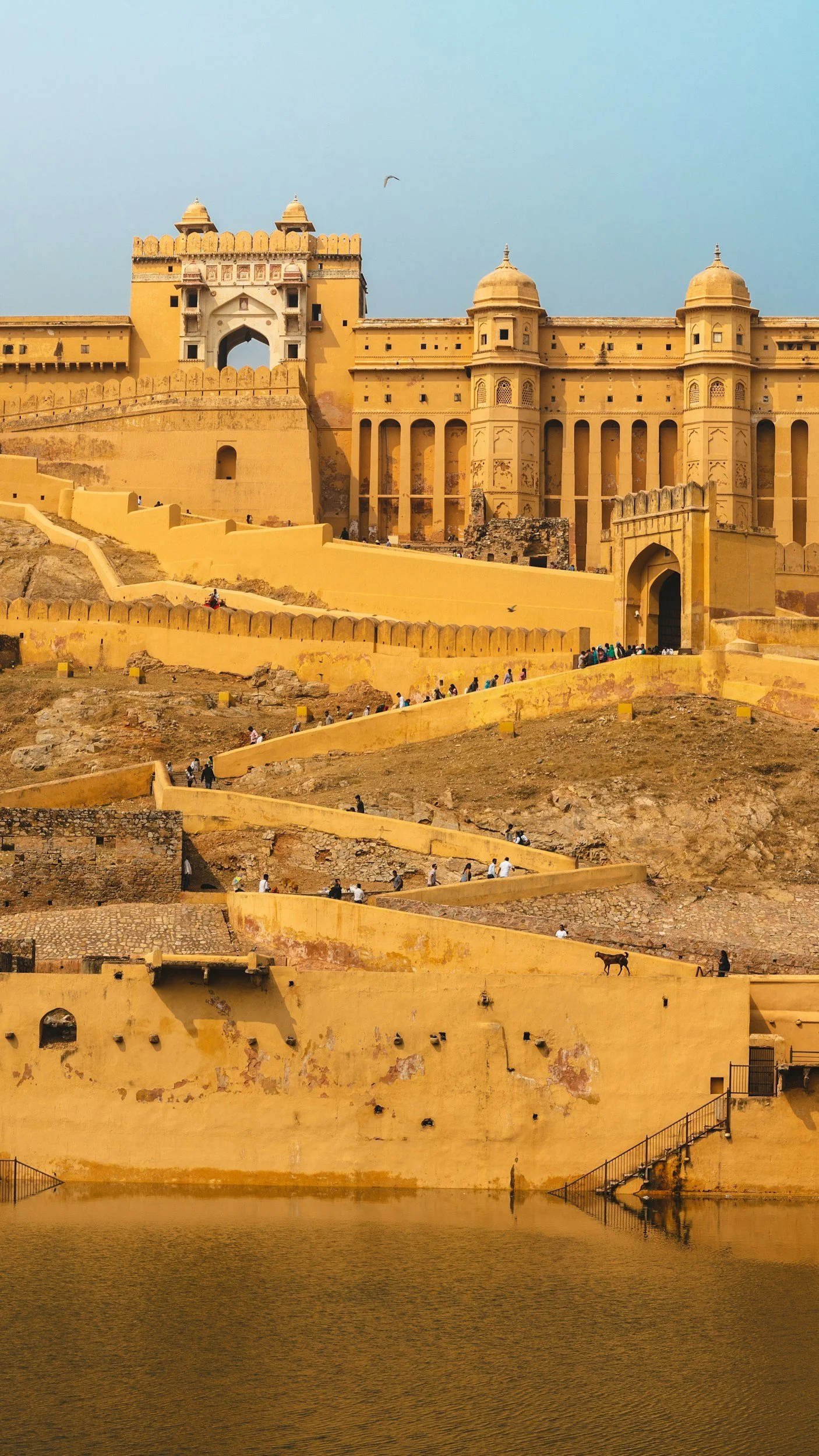
India rewards early risers. Many of the most iconic sites (and best experiences) are visited first thing in the morning to beat both the heat and the crowds. Afternoon downtime is common and intentional, so expect a rhythm of early starts + slower afternoons rather than leisurely mornings.
INDIA RUNS ON MANY LANGUAGES (BUT ENGLISH IS THE NORM)
India is home to hundreds of languages, with Hindi being the most widely spoken. English is also very commonly used, especially in hotels, tourism, business, and major cities.
That said, accents and communication styles can vary, so patience is key. If you’re traveling with a local guide, they’ll help navigate any language barriers and cultural nuances, which makes the experience far smoother and more enjoyable.
Google Translate is always a helpful backup.
TEMPLES & RELIGIOUS SITES
India is deeply spiritual, and many of the places you’ll visit have religious significance. Modest dress is expected at temples, shoulders and knees covered and you’ll often be asked to remove your shoes before entering.
Head coverings are sometimes required, and photography may be restricted in certain areas. When in doubt, follow your guide’s lead.
EXPECT ATTENTION (ESPECIALLY AT MAJOR SITES)
Indians are naturally curious and as a visitor, you may attract attention, particularly at famous landmarks like the Taj Mahal. Staring, photo requests, and general curiosity are common and usually not malicious, just cultural.
Dressing modestly, moving confidently, and staying with your group or guide helps minimize discomfort. You’re never required to engage if you don’t want to.
ASK BEFORE TAKING PHOTOS
Always ask before photographing people. While some locals are happy to be photographed, others are not, and in certain places, photos may be discouraged or require permission.
Your guide will help navigate what’s appropriate and when.
YOU WILL SEE A LOT OF ANIMALS
India has a large population of street animals: cows, dogs, monkeys, and more, especially in cities and rural areas. Many are cared for informally by locals, but it can still be surprising if you’re not used to it.
If you’re sensitive or allergic, plan accordingly (and keep snacks secured, monkeys are clever).
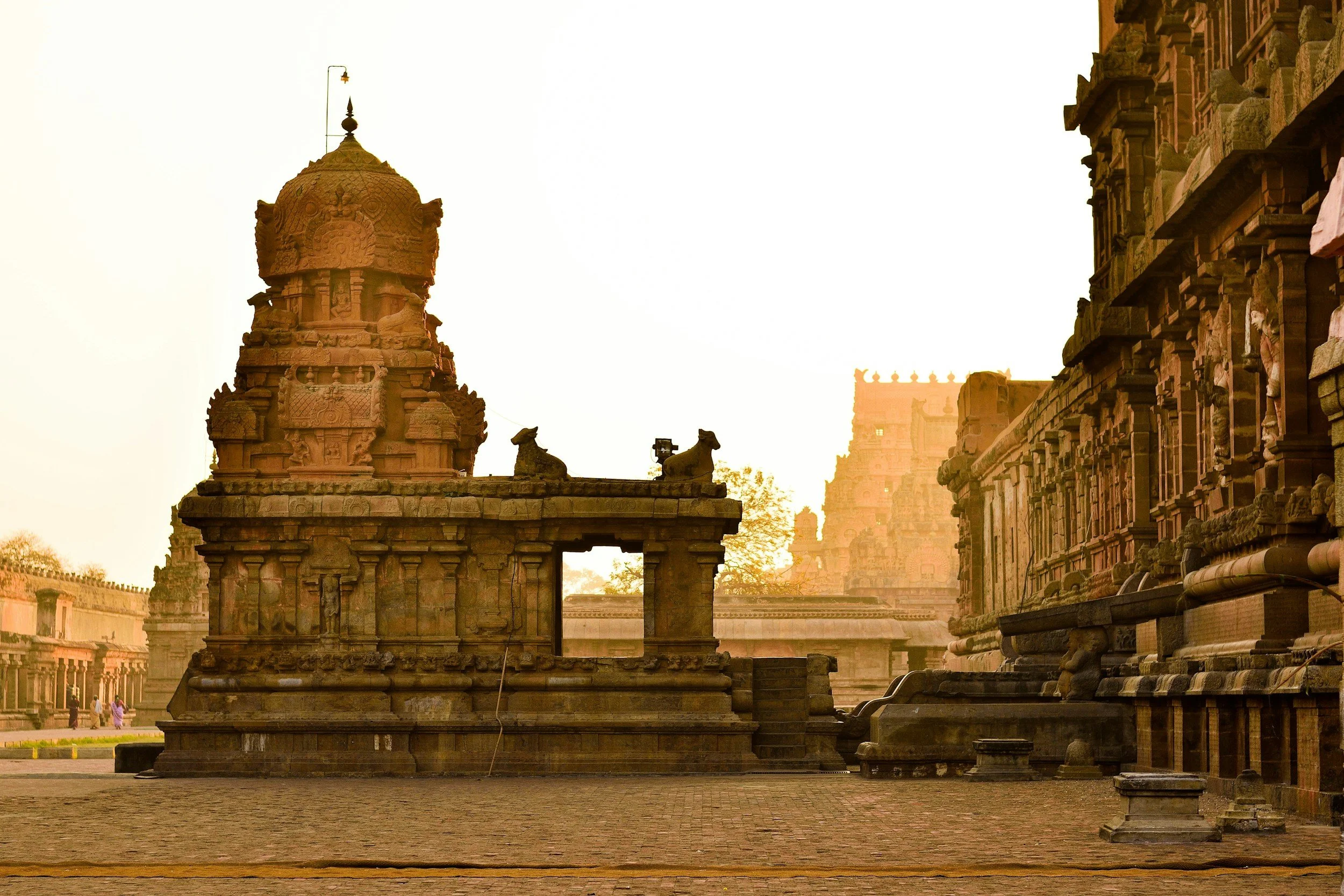

COME WITH CURIOSITY, NOT COMPARISON
India isn’t meant to be compared to anywhere else. It’s not Europe, it’s not Africa, it’s entirely its own world. The more you stay curious instead of judgmental, the richer and more meaningful your experience will be.
INDIA IS NOT ABOUT PERFECTION - IT’S ABOUT EXPERIENCE
Things may not always run exactly on time. Traffic happens. Plans shift. This is part of traveling in India and often where the magic lives.
The travelers who love India most are the ones who can go with the flow, stay curious, and embrace the unexpected.
😷 Tips for Staying Healthy in India
WATER, ICE & HYDRATION
This is the golden rule: stick to bottled or purified water only, including when brushing your teeth. Avoid ice outside of luxury hotels unless your guide confirms it’s safe.
India can be hot, and dehydration sneaks up fast, so make hydration a priority. I always travel with electrolyte or oral rehydration packets, especially during warmer months.
Fresh juices and smoothies are best enjoyed only at reputable hotels or restaurants where purified water is used.
FOOD SMARTS WITHOUT MISSING OUT
India is one of the world’s great food destinations and yes, you should absolutely enjoy it. The key is being intentional.
A few helpful guidelines:
Eat food that’s freshly cooked and served hot
Be cautious with raw vegetables and salads unless you’re at a trusted hotel
When in doubt, vegetarian dishes are a safe choice (and truly excellent)
If you’re ever unsure, your guide will help steer you in the right direction.
CREATE YOUR OWN MINI PHARMACY KIT
Having a bag full of “just in case” medications will be the BEST thing you pack for a trip to India to make sure all your bases are covered in case you fall ill. It’s for those illnesses in the middle of the night when you’re in a hotel room and have no access to any other medications.
What’s in my Mini Pharmacy
Acidil - homeopathic medicine that helps with Acid Reflux, Heartburn, Indigestion, and Upset Stomach
Nux Vomica - homeopathic medicine that helps with hangovers & super rich meals
I put all of this into a pouch like this one. I keep it small so that it can easily fit in a tote bag or backpack. Once you’re home, make sure to restock your pouch so you’ll be ready for your next trip.
If you are prone to a weak stomach, talk to your doctor about taking some probiotics before your trip. It’s also not a bad idea to have your primary care doctor prescribe you anti-diarrheal medication should you fall ill (consult your doctor on what’s best).
BRING TOILET PAPER WITH YOU EVERYWHERE
Bathrooms in India can range from perfectly fine to… not ideal. While we always plan stops thoughtfully on our Group Galavants, it’s wise to keep:
in your day bag at all times.
Safety as a woman in India
I don’t believe in making blanket statements about safety in any country, and India is no exception. How safe you feel while traveling is deeply personal and influenced by many factors, including your gender, race, sexuality, past experiences, and comfort navigating unfamiliar cultures.
I’m sharing this from my own perspective: I’m a straight, cis, white woman, and at the time of writing this, I’ve been to India six times (my mom has been nine). Every single visit has been with a trusted local guide, and that has made all the difference.
My honest experience
I have never felt unsafe or threatened while traveling in India. What I have experienced is attention, especially in busy cities and at major sites like the Taj Mahal. Staring, curiosity, and people wanting photos are common. That can feel uncomfortable at first, but it’s not the same as being in danger.
Traveling with a guide dramatically reduces unwanted interactions and adds an extra layer of ease, confidence, and cultural context. It allows you to focus on the experience rather than logistics or navigation.
DRESS & AWARENESS GO A LONG WAY
One of the biggest ways to minimize unwanted attention is how you present yourself:
Dress modestly (covered shoulders, longer hemlines)
Avoid flashy jewelry or overly revealing clothing
Be mindful at religious sites and in rural areas
This isn’t about fear, it’s about cultural awareness and respect.
MOVE WITH CONFIDENCE
How you carry yourself matters everywhere in the world, and India is no different.
Walk with purpose
Avoid looking lost (even if you are, your guide is there for that)
Be polite but firm if someone approaches you
A confident presence goes a long way.
WATCH YOUR BELONGINGS (Anywhere in the World)
Pickpocketing can happen in crowded places, train stations, markets, major attractions, just like it does in Paris, Rome, or New York.
A few smart habits:
Use a zipped bag
Don’t carry all your cards or cash at once
Leave valuables in your hotel safe
Keep phones secured, especially in busy areas
TRUST YOUR GUT - ALWAYS
You are never obligated to do something that makes you uncomfortable. Ever.
If something feels off, step away, loop in your guide, or lean on your group.
This is one of the reasons group travel or working with a travel advisor is such a great option for India, you’re never navigating things alone.
Final Thoughts
India is not a destination for someone looking for predictability, but for travelers who have an open mind, open heart, and sense of adventure, it can be one of the most rewarding places you’ll ever visit.
If traveling independently feels intimidating, joining a hosted group Galavant or working with us on private travel planning can make India feel not just manageable, but truly magical.
✨ India gives back what you bring to it. And when you meet it with curiosity, respect, and intention, it can be life-changing.
You may also like…